
Plan your Amazon holidays promos to get more sales! Let’s see how you can make the most out of the 2025 holiday calendar.
As the calendar pages turn, each date brings a new opportunity for Amazon sellers to sparkle in the marketplace. If you are one of the 9.7 million Amazon sellers who are trying to make the most out of the platform, then you need to go big on Amazon holidays.
From the heartwarming exchanges of Valentine’s Day to the year-end cheer of the December holidays, this period is more than just a series of dates. Timing your strategy is a critical aspect that will help you get in front of your customers and ultimately reach your profit goals.
The question is: how can you approach Amazon holidays without last-minute panic?
Well, with a detailed plan that starts far before anyone starts thinking about Christmas. Let’s unwrap the secrets of maximizing the holiday sales, offering a treasure trove of strategies, insights, and tips to elevate your Amazon store to new heights of success.
Understanding the Landscape of Holiday Ecommerce Sales
As shoppers increasingly turn to digital storefronts for their festive purchases, more and more sellers have taken advantage of holiday ecommerce sales to attract customers.
Amazon’s peak sales seasons align with shopping events, platform-specific dates, and even cultural trends. While sales are steady year-round, specific times drive exceptional traffic and revenue, offering sellers significant opportunities.
Gone are the days when best holiday sales were confined to a single day. Now, these events stretch over weeks, offering ample opportunities to attract and engage with customers. This extended sales period not only alleviates the rush but also allows for strategic marketing and inventory planning.
Data cited by Namogoo says seven out of 10 millennials actively seek out discounts before deciding to buy a product. In addition to that, nearly half of consumers tend to avoid brands that do not provide promotional deals or implement discount holidays.
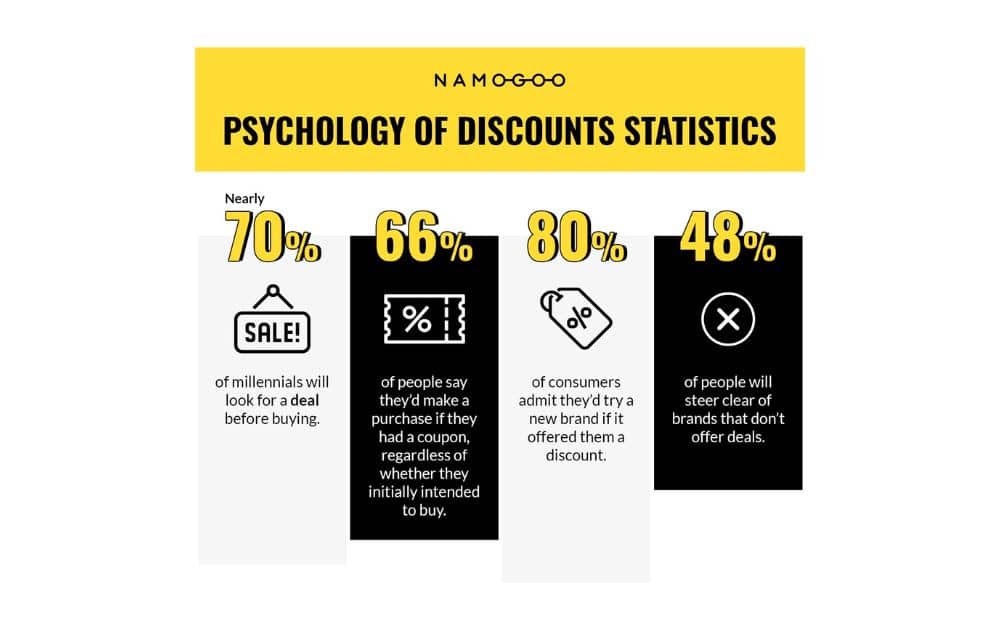 Psychology of Discounts Statistics (Source – Namogoo)
These numbers only go to show why sellers must not take holiday ecommerce sales for granted. In fact, making the most out of Amazon holiday sales is a smart strategy to rake in income and boost your business.
Key Dates and Amazon Holiday Sales Trends
Here are the key sales windows:
- Prime Day. Typically held in mid-July, Prime Day is Amazon’s topsales event. It’s not just about electronics—sellers across categories like fashion, home goods, and beauty benefit from the huge massive traffic surge.
- Back-to-School. From August through early September, parents and students shop for supplies, electronics, and dorm essentials. This period also sees an uptick in fashion sales.
- Holiday Shopping. The end of the year is Amazon’s busiest period. Shoppers gear up for Thanksgiving, and the weeks leading up to Christmas, making November and December Amazon’s highest-grossing months.
The holiday shopping season accounts for up to 30% of Amazon’s annual revenue, with sellers reporting record-breaking sales during this time. December alone can contribute a significant portion, especially in categories like toys, tech, and gifts.
Now, Here’s a rundown of Amazon holiday sales per quarter as per Amazon Ads’ retail holiday calendar.
Q1
Valentine’s Day (February 14)
This day is a tribute to love and affection, where people commonly exchange gifts like chocolates, flowers, and other tokens of affection with their significant others.
International Women’s Day (March 8)
This day honors the diverse achievements and contributions of women globally, encompassing cultural, political, and socioeconomic aspects.
Easter (March or April)
Easter sales typically involve Easter eggs, an array of chocolates, sweets, and various gifts.
Q2
Mother’s Day (May 12)
This day is dedicated to celebrating mothers, maternal figures, and their impact on society. It’s widely celebrated across the globe, often in March or May, with gift-giving as a common practice.
Children’s Day (June 9)
Annually celebrated, Children’s Day focuses on the importance of children’s rights, education, and welfare.
Father’s Day (June 16)
This day is set aside to honor fathers, paternal bonds, and the role of fathers in society. The tradition of giving gifts is prevalent, with preparations for the day starting weeks in advance.
Q3
Back to School (July – August)
Shopping for school supplies and apparel peaks in the lead-up to students returning to school.
Related content: Amazon Cultúra
Q4
Halloween and Día de Muertos (October 31 – November 2)
Celebrated on October 31st, the eve of the Western Christian feast of All Hallows’ Day, this festive occasion is marked by traditional activities such as dressing up in costumes, trick-or-treating, and hosting costume parties.
The Day of the Dead, or Día de Muertos, is a two-day observance in Mexico, taking place on November 1st and 2nd, where families come together to honor and remember their deceased loved ones.
Thanksgiving (Fourth Thursday of November)
Families and friends come together to express their gratitude, often marked by a sizable get-together and a shared meal.
Black Friday and Cyber Monday (Friday and Monday After Thanksgiving)
A four-day-long sales event is usually the time for the biggest Amazon holiday season sales in the US. These shopping holidays can mark the start of the Christmas shopping season.
In some countries, this event is known by different names, and the celebrations are extended beyond the typical four-day period.
Marketers have also coined the term Cyber Five, which encompasses Thanksgiving Day, Black Friday, Small Business Saturday, Cyber Sunday, and Cyber Monday.
Though official sales reports from Cyber Five are yet to be publicized, projections cited by eMarketer say Cyber Monday was expected to surpass $13 billion in online sales in the US, while Black Friday was set to exceed $10 billion for the first time.
Without a doubt, these holidays are among the biggest holiday sales at Amazon.
 US Cyber Five Eccomerce Sales 2023 (Source – eMarketer)
End of year holidays (December 24 – January 1)
The holiday season spanning December 24th to January 1st encompasses the transition from the year’s end to the start of a new one.
This festive time is filled with various celebrations, including major events like:
- Christmas Eve (December 24)
- Christmas Day (December 25)
- New Year’s Day (January 1)
Characterized by shopping deals, the exchange of gifts, and joyful gatherings with loved ones, this period is a highlight of festive merriment and togetherness.
What Are Amazon’s Busiest Months?
Understanding the busiest months can help you focus your resources. Here’s a detailed breakdown:
July | Prime Day Madness
Amazon Prime Day is a two-day extravaganza that attracts millions of shoppers. It’s the perfect time for sellers to offer discounts and gain visibility. Categories like electronics, home appliances, beauty, and fashion see substantial sales spikes.
November | The Black Friday Rush
November kicks off with Black Friday, followed by Cyber Monday. Shoppers start looking for holiday gifts, making this month one of the most profitable.
Key Trends:
- Discounts on electronics, toys, and home goods dominate.
- Many shoppers use this time to get a head start on holiday shopping.
December | Last-Minute Shopping Frenzy
The weeks leading up to Christmas bring in procrastinators looking for last-minute gifts. Amazon’s “Last-Minute Deals” and expedited shipping options ensure these shoppers flock to the platform.
January | Post-Holiday Shopping
While not as busy as November and December, January sees a rise in purchases. After Christmas sales are mostly about clearing inventory and exchanging gift cards.
Important Dates to Keep in Mind for 2025
Planning ahead is crucial for success. Here’s a 2025 calendar with the most important dates for Amazon sellers:
|
Date |
Event |
What to Prepare |
|
July 15-16 |
Prime Day (tentative) |
Discounts, lightning deals, ad campaigns, and sufficient stock. |
|
August 1-September 30 |
Back-to-School Season |
Optimize listings for school supplies, electronics, and fashion. |
|
November 28 |
Black Friday |
Plan for deep discounts and fast shipping options. |
|
December 2 |
Cyber Monday |
A secondary peak for online sales; focus on tech, fashion, and deals. |
|
December 15-22 |
Last-Minute Deals Week |
Stock giftable items and enable expedited shipping. |
|
December 26 |
Post-Christmas Sales |
Liquidate holiday inventory and target gift card shoppers. |
By keeping these dates in mind, you can align your marketing, inventory, and advertising strategies in advance to make the most out of them.
How to Prepare for Amazon’s Holiday Sales Season
Failing to plan is planning to fail. This is why you need a comprehensive plan to capitalize on the busiest selling time.
Here’s a detailed step-by-step guide to help you get ready for the 2025 holiday season:
Analyze the 2025 Holidays Calendar
Start by identifying the most relevant holidays for your product category. There are some holidays that are important for every niche, but this is not the case for all of them.
For example, Mother’s Day would be a great opportunity for those who sell jewelry and beauty products, but not so much for those selling kids’ clothing. Christmas, on the other hand, has a lot of room for all the niches as people buy gifts for kids, mothers, fathers, and even pets.
Plan Inventory Months Ahead
If everything goes as planned, the busiest seasons will need a lot of inventory to keep up with all the sales that come in.
While you are working on the winning marketing strategy, make sure to keep some extra stock during busy months. No one was an unhappy client who couldn’t receive what you promised.
Some examples of how you can manage inventory efficiently include:
- For Black Friday, make sure to have inventory in Amazon’s fulfillment centers by late September.
- For Christmas, ensure inventory arrives by mid-November.
Optimize Product Listings
Update your product descriptions, images, and keywords to appeal to holiday shoppers. Add seasonal touches to your listings by emphasizing giftability. Here’s a checklist for Listing Optimization:
- Use keywords like “Amazon holiday sales” and “holiday gift ideas 2025.”
- Include high-quality images that showcase your product as a gift.
- Highlight features like fast shipping and return policies.
A home goods seller could add phrases like “Makes a perfect housewarming gift this holiday season” to their product title.
Create Strategic Promotions
Promotions are critical during peak periods. Use Amazon’s tools to create coupons, Lightning Deals, or percentage-off discounts.
You should also keep an eye on your competitors‘ pricing and adjust accordingly. Promotions that seem too generic may not stand out during high-traffic days.
Invest in Advertising
Amazon PPC campaigns are essential for boosting visibility. During the holidays, focus on holiday-themed keywords and adjust your budget to match the increased competition.
Some examples of how you can approach this are:
- Target keywords like “best holiday sales” or “gifts for [specific category].”
- Use Sponsored Product Ads to appear at the top of search results for trending holiday items.
Take care of customer service
If you sell a lot during the holiday season but your clients don’t get a good experience, then you are only ruining your reputation. Make sure to have customer service systems in place and, if you can, hire someone to take care of that.
Prepare for Returns
Post-holiday returns can be overwhelming if you’re unprepared. Simplify the process with clear policies and a system for restocking returned items.

Advanced Tips to Boost Holiday Sales
Now you have a step-by-step guide to make the most of Amazon holidays, but there are some extra tips that can take the process to the next level:
Thoughtful Bundles and Gift Sets
Holiday shoppers are drawn to ready-made options that simplify their decisions. Bundling complementary products into gift sets not only adds value but also encourages higher cart values.
How to Do It
- Identify products that naturally go together, such as a coffee mug paired with gourmet coffee beans or a skincare set with a cleanser and moisturizer.
- Use festive packaging to make the bundle visually appealing. Consider eco-friendly gift wrapping as a bonus selling point for environmentally conscious shoppers.
- Highlight the savings customers enjoy by purchasing a bundle instead of individual items.
Example. A kitchenware seller can create a “Holiday Baking Kit” with cookie cutters, a silicone baking mat, and festive sprinkles. Include a guide or recipe card as a thoughtful bonus.
Related content: Amazon Wish Lists for Sellers
Amazon FBA Speed and Trust
Amazon Prime’s fast shipping appeals to holiday shoppers, especially those buying last-minute gifts. By using Amazon FBA, you make your products eligible for Prime delivery, increasing their visibility and appeal.
How to Do It
- Send your inventory to Amazon’s fulfillment centers at least six weeks before major shopping events.
- Monitor Amazon’s cutoff dates for FBA submissions to ensure your stock arrives on time.
- Use Amazon’s Inventory Performance Index (IPI) to maintain optimal stock levels and avoid overstock fees.
Maximize Social Proof
Strong customer reviews can significantly influence buying decisions during competitive periods. Shoppers tend to trust products with higher ratings and detailed testimonials, especially when buying gifts.
How to Do It
- Use Amazon’s “Request a Review” button to encourage recent buyers to leave feedback.
- Run a post-purchase email campaign thanking customers and politely asking for reviews.
- Address negative feedback promptly by responding to customer concerns. This shows potential buyers that you value their experience.
Bonus Tip. Showcase reviews with seasonal relevance, such as customers praising a product for being “the perfect holiday gift.”
Dynamic Pricing Strategies
Holiday shoppers are price-sensitive but willing to spend on perceived value. Using dynamic pricing strategies allows you to remain competitive without sacrificing profitability.
How to Do It
- Use Amazon’s Automated Pricing tool to adjust your prices in real-time based on competitors’ listings.
- Offer tiered discounts, such as “Buy 2, Get 10% Off” or “Save 20% on Orders Over $50.”

Improve Visibility with Amazon Ads
With increased competition during the holidays, paid advertising can ensure your products get noticed. A well-targeted Amazon PPC (pay-per-click) campaign can drive traffic and boost conversions.
How to Do It
- Focus on holiday-specific keywords like “best holiday sales” and “gifts under $50.” Use Amazon’s Keyword Research tool to find trending search terms.
- Create Sponsored Product Ads for individual listings and Sponsored Brand Ads to showcase multiple products in a holiday-themed banner.
- Use Performance Reports to track your ads’ success and adjust your bids for high-performing keywords.
Tip. Set a higher daily budget during peak periods, as ad costs tend to rise with demand.
Limited-Time Offers and Lightning Deals
Creating urgency is a proven tactic to drive conversions, especially during the holidays. Lightning Deals and limited-time promotions can create a sense of FOMO (fear of missing out) for shoppers.
How to Do It
- Schedule your deals for high-traffic times, such as mornings and evenings when shoppers are most active.
- Pair limited-time offers with countdown timers to increase urgency.
- Promote your deals through your Amazon storefront and external marketing channels like social media or email campaigns.
Mobile Shopping Experience
Over 70% of holiday shoppers browse and purchase on their smartphones. Optimizing your product listings for mobile ensures you’re not missing out on this audience.
How to Do It
- Use concise bullet points and titles that fit well on smaller screens.
- Ensure high-resolution images load quickly and appear clear on mobile devices.
- Test your listings on Amazon’s mobile app to ensure proper formatting and usability.
Invest in Seasonal Content
Amazon allows sellers to customize their storefronts, giving you an opportunity to create a festive shopping experience. Seasonal branding can set the mood and attract buyers looking for gifts.
How to Do It
- Update your storefront banner with holiday-themed visuals, such as snowflakes, gift boxes, or festive colors.
- Feature a “Holiday Gift Guide” section with curated recommendations from your product catalog.
- Use A+ Content to tell a seasonal story about your brand, such as how your products bring families together during the holidays.
The Bottom Line
The holiday season is a critical time for Amazon sellers, and it is a good idea to start preparing as soon as Q4 arrives. Amazon holiday sales are more than just a series of sales events; it’s a sentiment. That said, here are a few sure-fire ways to use it to your advantage:
- Infuse the festive spirit into your marketing and customer interactions.
- Personalize your approach to make each customer feel special, whether it’s through tailored recommendations or thoughtful holiday messages.
- Keep an eye on emerging trends, be it in product preferences, shopping behaviors, or technological advancement.
The key to success lies in understanding the nuances of holiday sales and leveraging Amazon’s robust platform to your advantage. Share stories, celebrate customer experiences, and foster a sense of belonging. This emotional connection can turn one-time buyers into loyal brand advocates.
By understanding Amazon’s busiest times, planning for the 2025 holidays, and following these actionable steps, you’ll be ready to maximize profits and minimize stress.
Start your preparations today, and when the holiday season arrives, you’ll be ready to take full advantage of the rush.